
Fish and Game – and all the good things…
…maybe some mushrooms?

Our November theme:
Step out of your comfort zone
We love to cook, we adore the world of flavours, and we strive to keep our selection wide, varied, seasonal and nourishing. Today, we also recognise that this is not only important for the wellbeing and satisfaction of our Guests, but because our activity has an impact on the natural environment as well.
This November, try as many dishes as you can that feature autumn, seasonal and nutritious ingredients — look for the “Smart Choice” label at the counter!
And don’t forget to subscribe to our newsletter — this month you’ll learn, among other things:
- why eating game meat can be a healthy choice
- why mushrooms are considered one of the most promising foods of the future
- why it’s worth eating fish several times a week

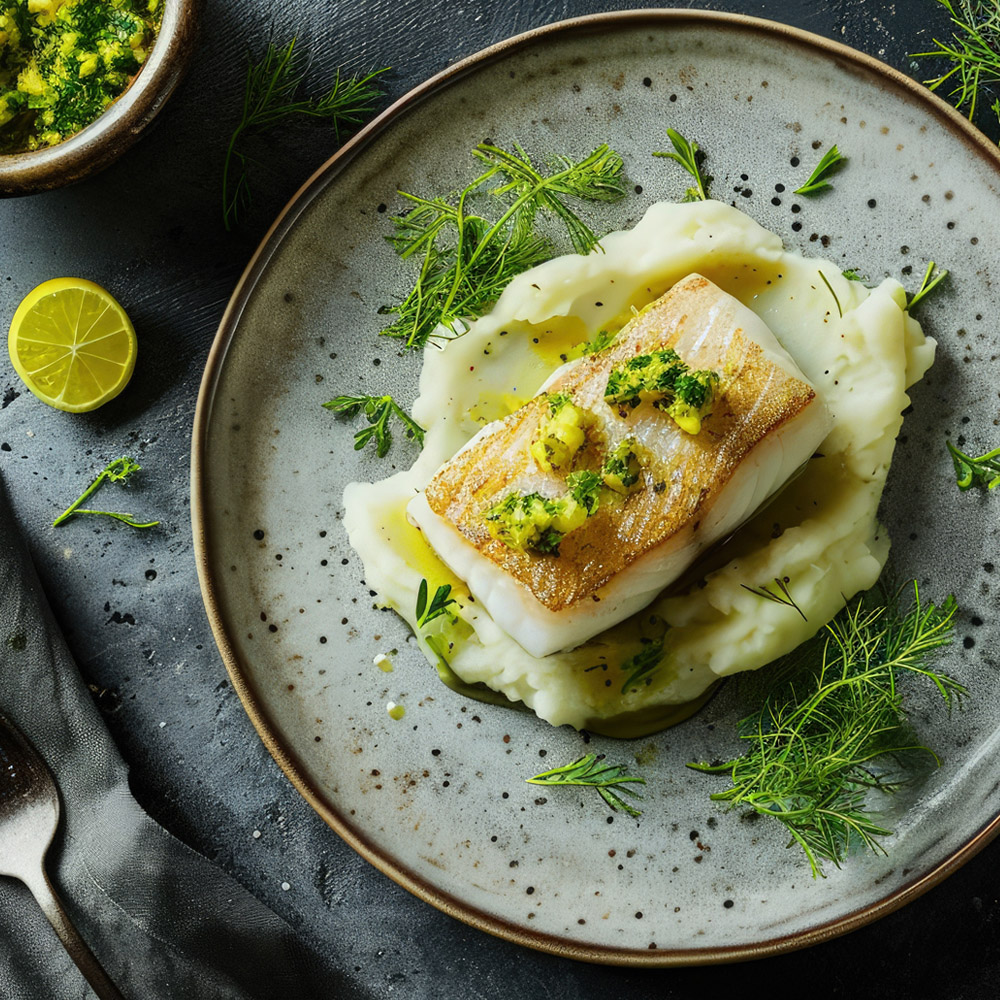
VARIETY IS KEY
Game, Fish, Mushrooms – let’s take a closer look!
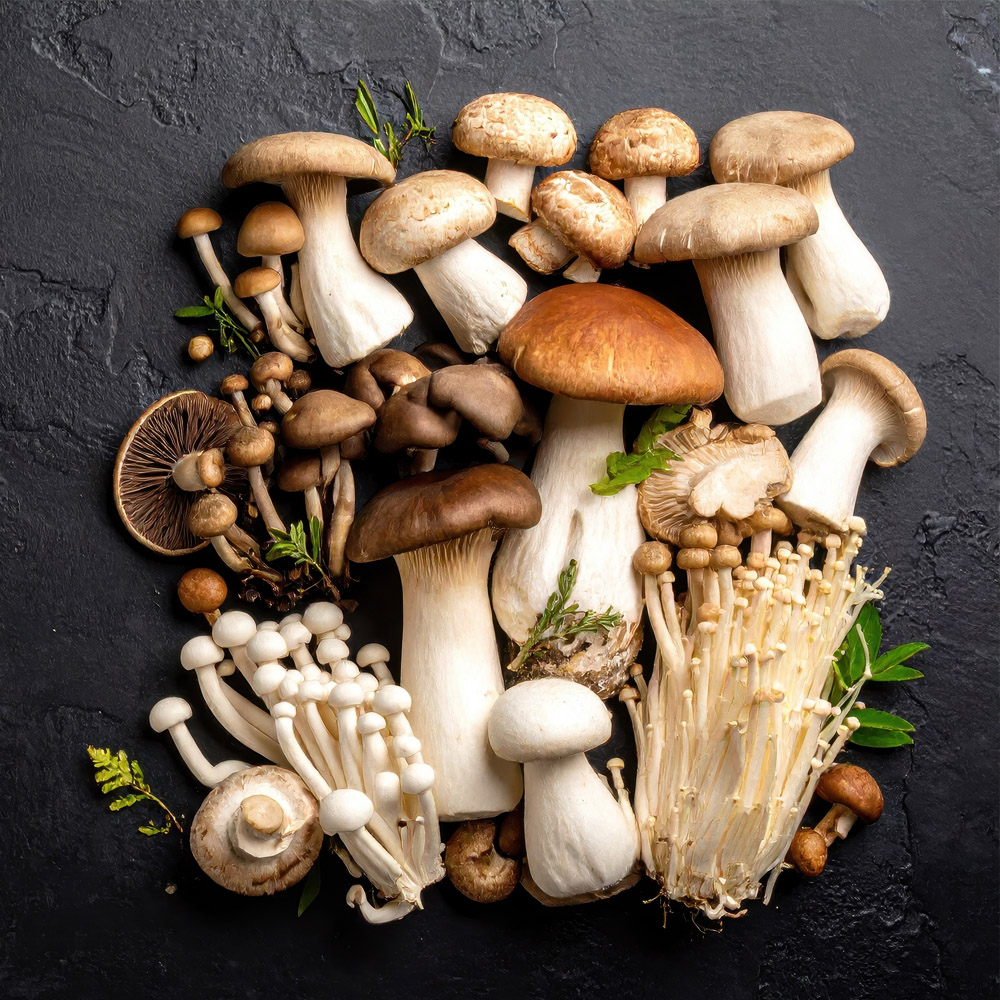
Mushrooms aren’t among the most popular ingredients either — which is why we’re giving them a little marketing boost. They are, after all, rightly called a “future-proof” food.
Want to learn more?
Why is a diverse diet so important for our health?
We increasingly hear how crucial it is to maintain the diversity and balance of our gut microbiome — the community of microbes living in symbiosis with us in our digestive tract — to support our overall health and immune function. To keep this tiny internal “army” well-fed, one of the most important steps is to provide them with a wide variety of nutrients — mainly the fibres found in vegetables, fruit, whole grains and legumes.
Different beneficial bacteria thrive on different kinds of fibre, so the more diverse the ingredients we consume, the better our gut microbes function. That’s why it’s worth choosing a varied selection of dishes even in workplace dining, paying special attention to plant-based ingredients.
Let’s try new flavours, ingredients and dishes every week!
Healthier you leads to a healthier planet
We now know that improving the state of our natural environment requires the large-scale adoption of nature-friendly, regenerative agricultural practices — along with growing a wider variety of crops.
This may sound surprising at first, but we, consumers can actively contribute: because there are many of us, even small daily choices add up. We support this transition by creating demand for crops that are currently grown less widely — simply by choosing meals made with more diverse ingredients.
That’s why this month we’re bringing you some of the traditional but less frequently eaten ingredients of Hungarian cuisine. Look for dishes that feature game, mushrooms and fish in our November selection!
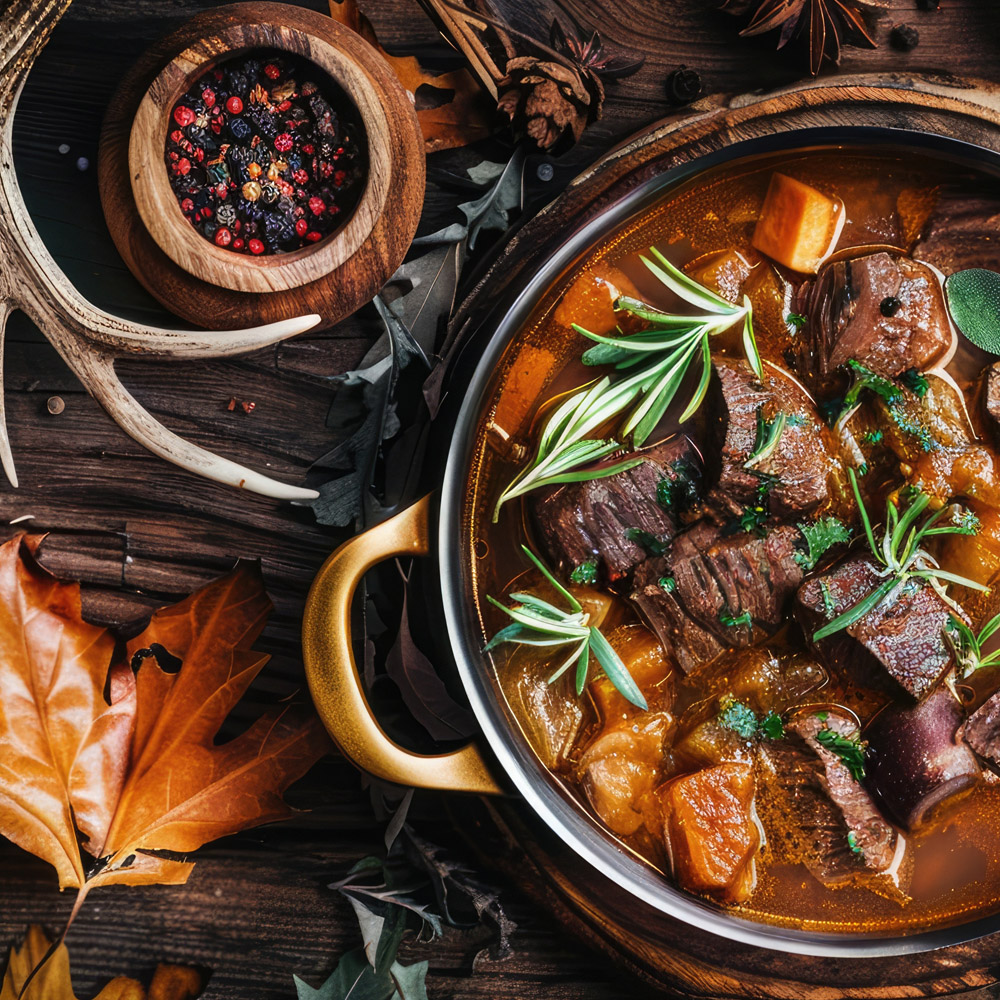
FREE IN NATURE
If you are a meat lover, eat game. Why?
First and foremost, because these animals are not raised intensively — they live freely, feeding on a natural, essentially organic diet. Compared with intensive livestock farming, game management guarantees far higher animal welfare and is much more environmentally friendly. Another important argument in favour of consuming game is that its “production” does not burden the environment or the food chain with antibiotic residues.
From a nutritional perspective, game meat often contains fewer calories and has a more favourable protein, fat and micronutrient profile than meat from farmed animals. It is rich in nutrients, contains less cholesterol, has a beneficial ratio of unsaturated to saturated fatty acids, and is high in essential minerals.
Featured recipe
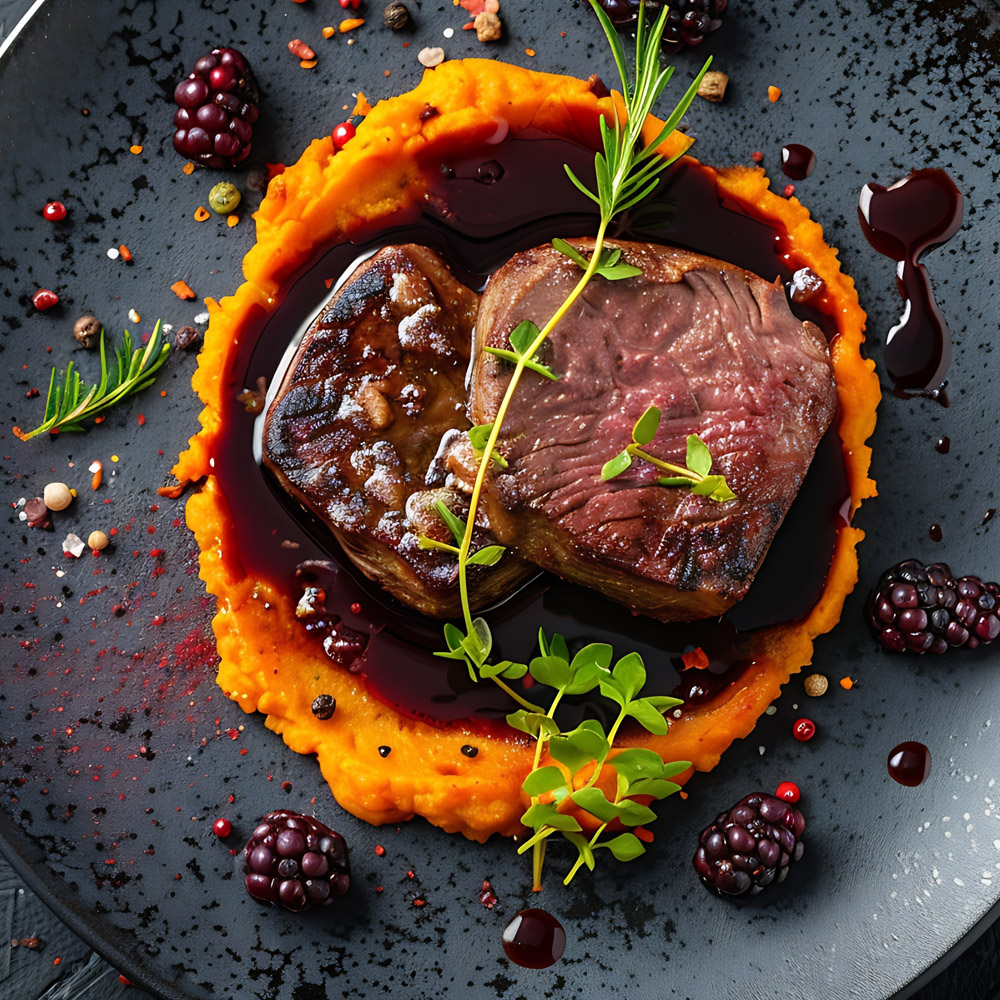
Image for illustration purposes only
Slow-confit wild boar cheek with pumpkin barley risotto and thyme jus
- 800 g wild boar cheeks
- 2 onions
- 2 cloves garlic
- 2 bay leaves
- 500 ml pork or mangalica fat, for confit
- 200 g pearl barley
- 300 g pumpkin/li>
- 1 l vegetable stock
- 2 tbsp butter
- ffresh thyme
- 100 ml dry red wine
- 200 ml stock (for the jus)
- salt, pepper
Preparation:
Season the cheeks with salt and pepper, place them in a baking dish with the onion, garlic and bay leaves, and pour in enough fat to cover them. Cover and confit at 130 °C for 3–3.5 hours, until the meat becomes meltingly tender.
Meanwhile, toast the pearl barley in butter, then add the vegetable stock. When the barley is halfway cooked, add the diced pumpkin. Cook until creamy, then season with salt and pepper.
For the jus, boil the cooking juices with the red wine and stock, reduce to a glossy consistency, and flavour with thyme. Serve the confit cheeks with the pumpkin barley risotto and drizzle with the jus.
Recommended by Botond Décsi, chef at Delirest:
A deep, earthy, elegant dish where the tenderness of the game and the sweetness of the pumpkin perfectly complement each other.
Enjoy!
UNIQUE AND VERSATILE
Why is mushroom a smart choice?
Mushrooms offer a rich nutrient profile: they are low in calories, fat and carbohydrates, yet high in protein, fibre, B-vitamins and important minerals such as potassium, selenium, zinc, iron and copper. They are also a good source of antioxidants and chitin, a valuable dietary fibre.
Fresh and dried mushrooms both deliver the fifth basic taste — umami — thanks to compounds like natural glutamates and inosinates. Some of these compounds become even more concentrated during drying, making dried mushrooms especially flavourful.
Give our mushroom-based recipe a try — you won’t be disappointed!
From fairy tales to the pantry
As children, we first encountered mushrooms in fairy tales — tiny forest creatures hiding under their caps from the rain.
As adults, we learn that mushrooms are incredibly diverse: after rain they pop up by the thousands in the forest, yet most people — out of understandable caution — eat only the two or three cultivated varieties found in shops. But there is much more to know about mushrooms. Beyond their usefulness in nature and their culinary value, they are increasingly considered a food of the future.
10+1 fascinating facts about mushrooms
- Mushrooms belong to their own biological kingdom — they are neither plants nor animals.
- They exist worldwide in every environment and play a crucial role in ecosystems, breaking down organic matter and supporting nutrient cycles.
- Edible macrofungi consist of hyphae (fungal filaments) forming a mycelium that lives hidden in the substrate. The “mushroom” we see is only the fruiting body, appearing temporarily when conditions are right.
- Besides wild foraging, many mushrooms are cultivated and bred. In Hungary, the most commonly consumed varieties are button mushrooms and oyster mushrooms, with shiitake and other Asian species growing in popularity.
- Mushrooms are nutrient-dense, low in calories, and rich in fibre, B-vitamins, potassium, selenium, zinc and other minerals, as well as antioxidants and chitin.
- Fresh mushrooms contain about 90% water — meaning 100 g of fresh mushroom typically offers only around 3 g of protein, similar to broccoli’s protein content.
- They contain 1–4 g of dietary fibre, mostly insoluble, but also soluble fibres such as beta-glucans, known for potential immune-supporting and anti-tumour effects. Chanterelles are among the highest-fibre mushrooms, while shiitake is one of the richest in beta-glucans.
- For millennia, mushrooms have been used in fermentation and food preservation..
- Due to their bioactive compounds, they play a major role in both traditional and modern medicine..
- Genetically modified yeast — a type of fungus — is widely used in biotechnology to produce insulin, citric acid and cheese-making enzymes.
- In the future of food, precision-fermented, mycelium-based proteins may become key sustainable alternatives, offering high-quality, animal-free protein with minimal resource use.
Genetically modified yeast — a type of fungus — is widely used in biotechnology to produce insulin, citric acid and chee In the future of food, precision-fermented, mycelium-based proteins may become key sustainable alternatives, offering high-quality, animal-free protein with minimal resource use.se-making enzymes. In the future of food, precision-fermented, mycelium-based proteins may become key sustainable alternatives, offering high-quality, animal-free protein with minimal resource use. In the future of food, precision-fermented, mycelium-based proteins may become key sustainable alternatives, offering high-quality, animal-free protein with minimal resource use.
Featured recipe
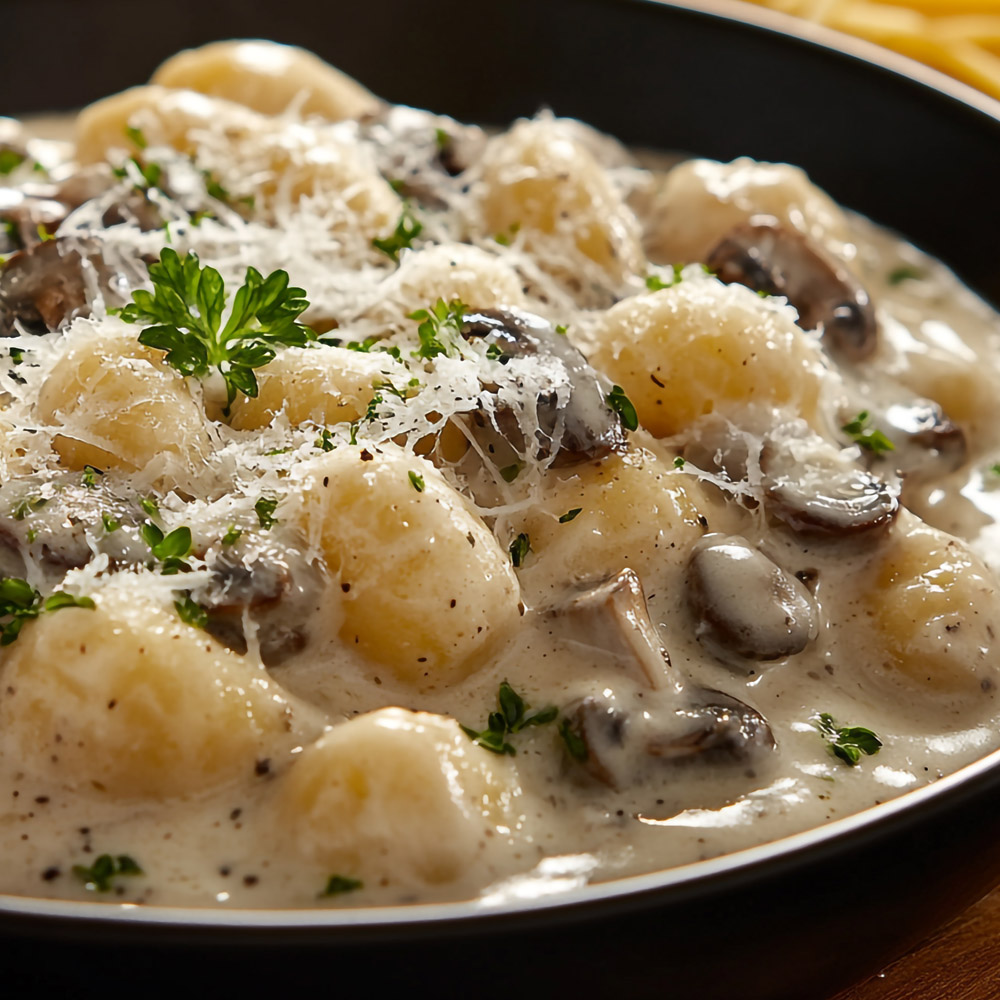
Image for illustration purposes only
Porcini gnocchi in sage brown butter with toasted walnuts
- 500 g potatoes
- 150–200 g flour
- 1 egg
- 1 tbsp grated Parmesan
- salt, nutmeg
- 150 g fresh or frozen porcini
- 60 g butter
- a few leaves of fresh sage
- 30 g roughly chopped walnuts
- freshly ground pepper, Parmesan for serving
Preparation:
Boil the potatoes with their skins on, mash while hot, and let cool. Add the flour, egg, Parmesan, salt and nutmeg. Knead into a soft but non-sticky dough, roll into ropes, cut into pieces, and shape with a fork. Cook in boiling salted water until the gnocchi rise to the surface.
Meanwhile, melt the butter until lightly browned, add the sage and sliced porcini. Toss the drained gnocchi in the sage brown butter, then top with toasted walnuts and grated Parmesan.
Recommended by Botond Décsi, chef at Delirest:
This dish is the very essence of the autumn forest: butter, sage, walnuts and porcini — every bite deep, round and comforting.
Enjoy!
We Only Eat It Occasionally
Like a long-distance relative…
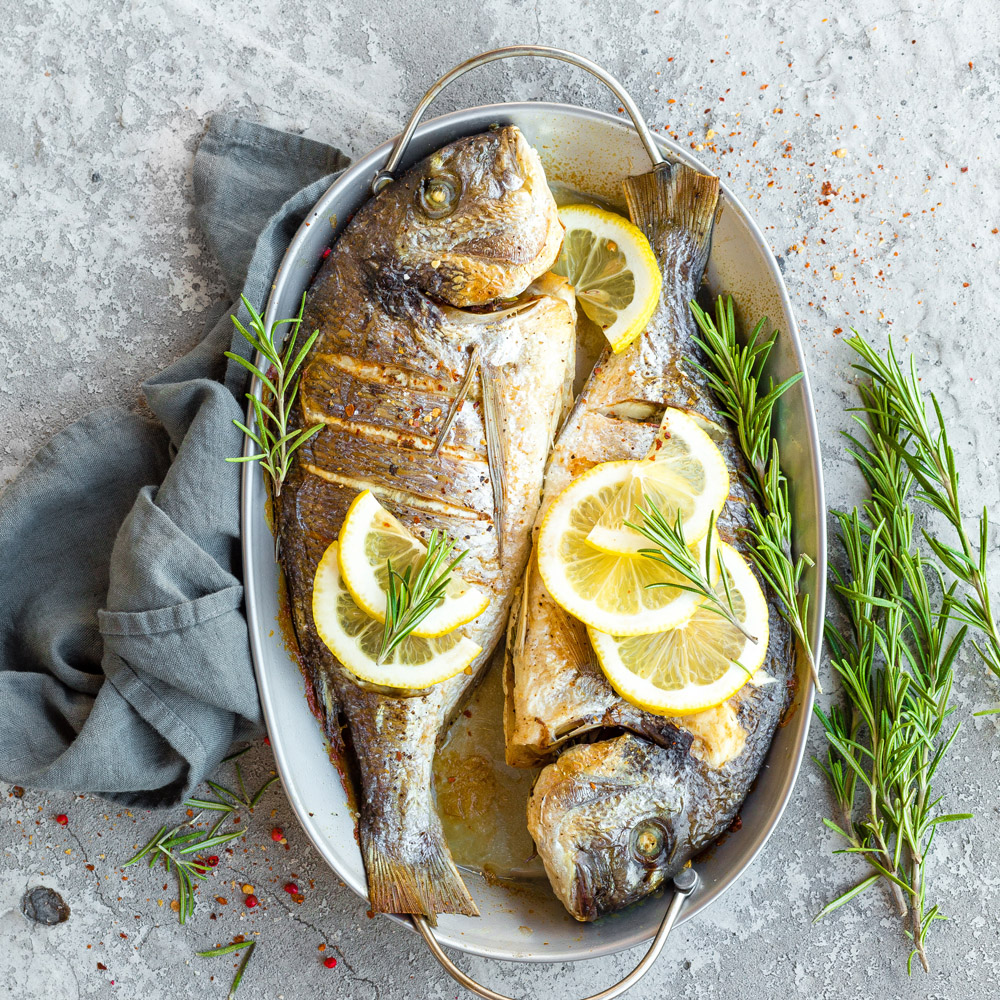
In Hungary, fish is like a funny uncle who lives far away and you only meet at big family gatherings. But when you do, you know it’s going to be good, and you should meet more often.
Despite the well-known health benefits of eating fish, it still appears only rarely on Hungarian plates: on average we eat about 7 kg of fish per person per year – roughly one-fifth of the European average.
Yet there are many strong health arguments for eating fish regularly, just as recommended by the Hungarian Dietetic Association’s nutritional guidelines, Okostányér®.
Let’s take a look at them:
- Fish is rich in protein and is considered a high-quality, easily digestible, complete protein source.
- Fish contains a wide variety of valuable nutrients: it is high in omega-3 fatty acids, as well as vitamin D and vitamin B12. It also provides several essential minerals such as iron, zinc, selenium, iodine, fluoride, magnesium and calcium.
- Most fish are low in fat, yet rich in healthy unsaturated fats. Eating fish regularly may therefore reduce the risk of heart disease, support brain function, and contribute to better vision as we age.
- Thanks to its lower saturated fat content, fish can be a healthier alternative to fatty meats from other animals — another good reason to choose fish dishes once or twice a week, even at the workplace restaurant!
What about pollution? Honestly About Fish.
It’s important to know that, like every food, fish consumption also carries certain risks. Most of these stem from environmental pollution over recent decades and are unfortunately difficult to eliminate.
Foreign substances accumulating in the oceans — such as heavy metals (e.g., mercury) and microplastics — can enter the bodies of marine animals. To balance the health benefits and potential risks, it is advisable to eat no more than one or two servings of marine fish per week. This is especially important for children and pregnant women.
At the same time, precisely because of environmental concerns, small fish — such as sardines — have become the “rising stars” of recent years. They offer the same or even greater health benefits than their larger, more fashionable counterparts (like salmon or tuna), but with significantly lower heavy-metal contamination. The explanation is simple: as small fish occupy a lower level of the food chain, fewer toxins accumulate in their bodies than in larger predatory fish.
Sardines are also much cheaper, and as an added bonus, their soft, edible bones provide a highly absorbable source of calcium — often higher than in many other fish.
Fish can be used to create an incredibly wide range of dishes, and it’s worth trying as many as possible in Delirest restaurants as well!
Featured recipe
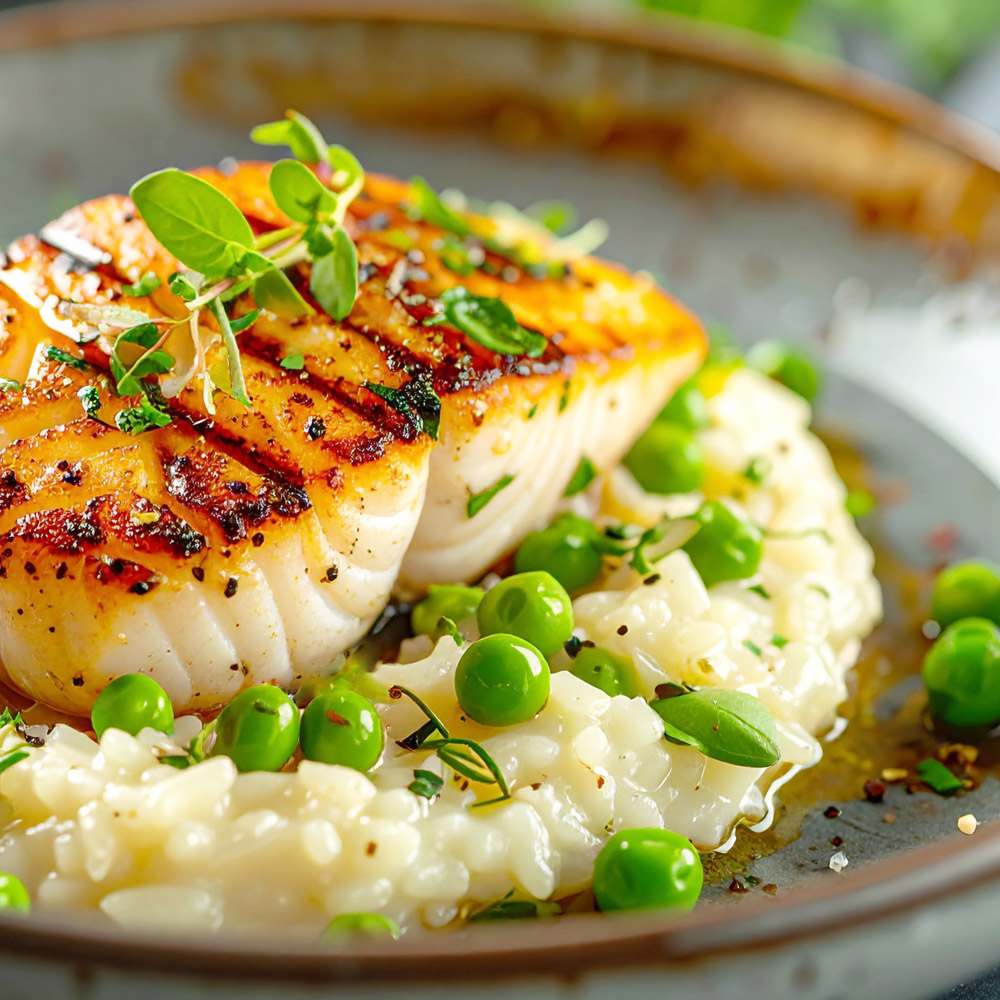
Image for illustration purposes only
Smoked Trout Barley “Risotto” with Fresh Herbs
Ingredients for 4:
- 250 g pearl barley
- 1 shallot, finely chopped (white onion also works)
- 2 cloves garlic, minced
- 150 ml dry white wine
- 700 ml vegetable stock
- 150 g smoked trout fillet, flaked
- 2 tbsp butter
- 2 tbsp olive oil
- 1 bunch parsley
- 1 bunch chives
- grated lemon zest, freshly ground pepper, pinch of salt
- (optional: a spoonful of mascarpone for extra creaminess)
Preparation:
Sauté the chopped onion and garlic gently in olive oil until translucent. Add the barley and cook for a few minutes until slightly glossy. Pour in the white wine and let it almost fully evaporate. Then, over low heat, gradually add the hot stock — always just enough for the barley to absorb — stirring occasionally.
When the barley is soft but still slightly firm to the bite, stir in the butter and, if desired, a spoonful of mascarpone. Fold in the smoked trout pieces gently. Remove from the heat and finish with fresh herbs, lemon zest, and a hint of pepper.
Botond Décsi, Delirest Chef
The result is a creamy, smoky, herb-scented risotto that is both rustic and refined.
Enjoy!