
How Not to Overeat During the Holidays
EASY DECEMBER

Our December topic:
Traditions in a New Light
Many of our traditions revolve around Christmas — especially those related to food. Keeping these traditions brings comfort, strengthens our sense of belonging, and warms the ties within our families. At the same time, the world around us is changing, and we can’t ignore that.
This December, we explore how to make Christmas and New Year’s menus healthier and less overwhelming for the body — without losing the traditions we value. We’ll look at classic Christmas ingredients and festive desserts we simply can’t imagine the holidays without.
In our restaurants and on our menus, look for dishes marked with the Smart Choice label!

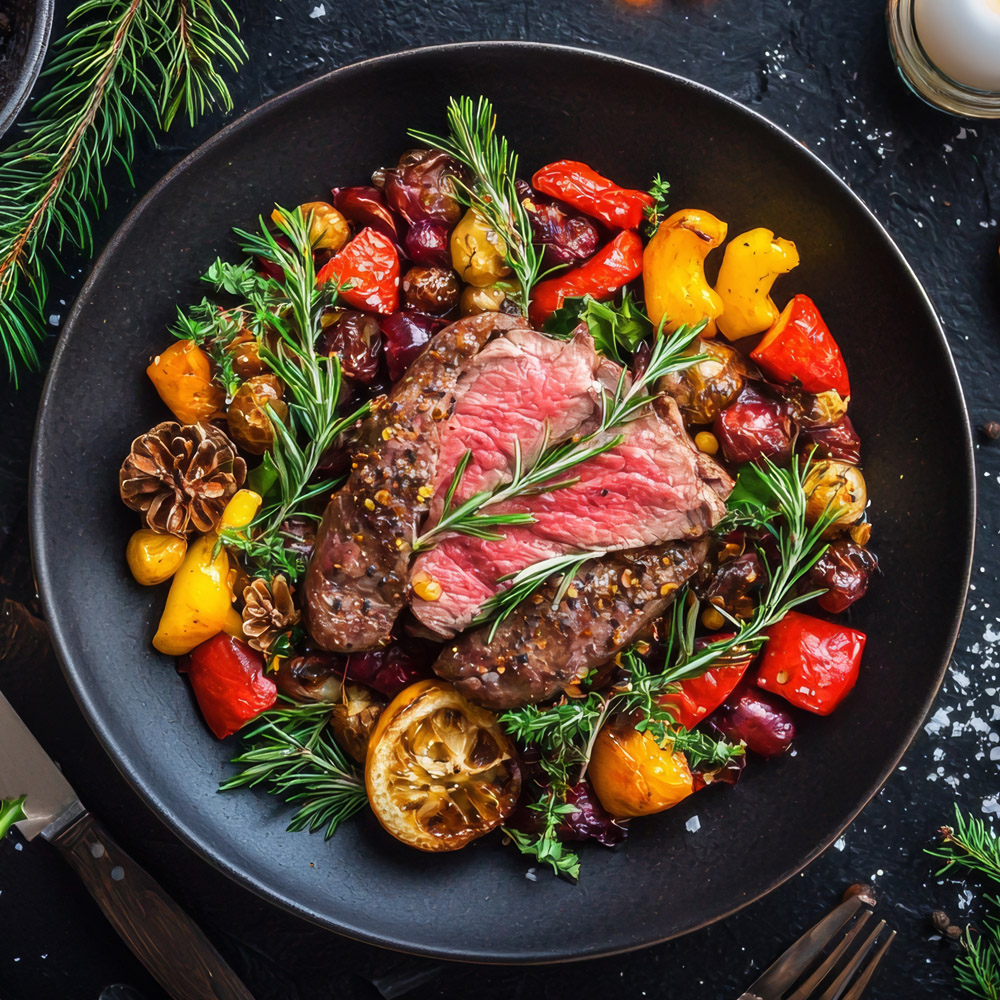
Pleasure Meets Purpose
Traditional and modern, all at once
But to keep the holidays joyful — and to avoid days of overeating and constant fullness — we’ve gathered a few practical kitchen tips worth trying this year.
Don’t Miss Our Weekly Insights:
We touch base on these topics this month:
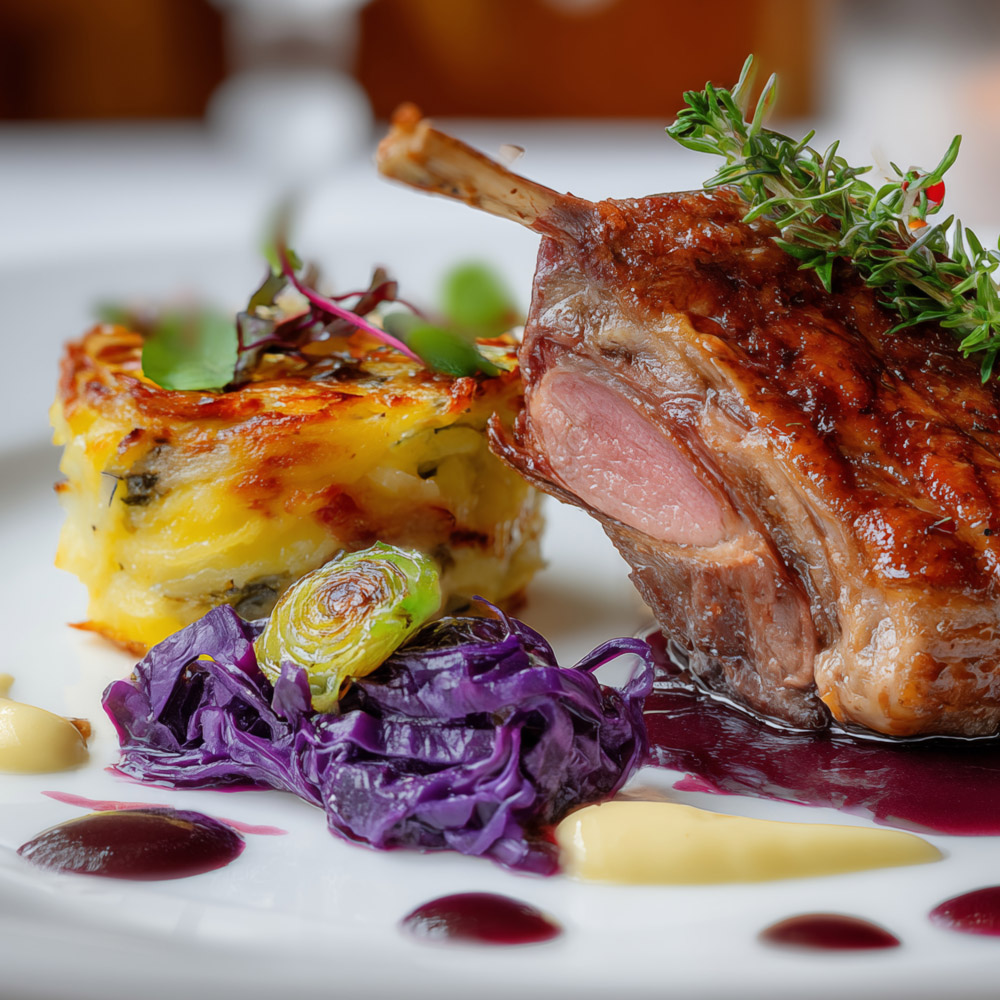
How to Feel Lighter at Christmas
It’s completely natural that this season focuses on traditional dishes passed down through generations. But even small, almost invisible tweaks can make meals easier on your body.
So how can we make Christmas and New Year’s menus healthier and less heavy? Here are some useful ideas — even adopting just one can move you closer to a more balanced celebration:
- Plan your holiday menu ahead — and add more plants. Nutrition guidelines recommend aiming for at least 30 different plant-based ingredients per week. It sounds like a lot, but once you try it, you’ll see how easy it can be. A cleverly composed side dish can hide ten different plant ingredients!
- t’s not only what you cook that matters — but the proportions on your plate. Following the Hungarian Dietetic Association’s Okostányér® guidelines, aim for less meat and dairy and more vegetables, fruits, whole grains and nuts — even during the holidays. Prepare your traditional family meals, but when plating, serve a little more vegetable- and grain-based sides and a little less meat. This simple shift boosts fibre and nutrient intake, supports digestion, and leaves you feeling better — physically and mentally.
- Give your cooking methods a lighter twist. Instead of deep-frying, choose gentler methods: steaming, oven-baking, slow roasting at lower temperatures, or grilling. Your body will thank you.
- Side dishes are the secret heroes — in every season. They bring variety and can transform any meal. Browse recipes from your favourite chefs and try as many Conscious Choice dishes as you can this month from the Delirest selection!
Recipe Inspiration
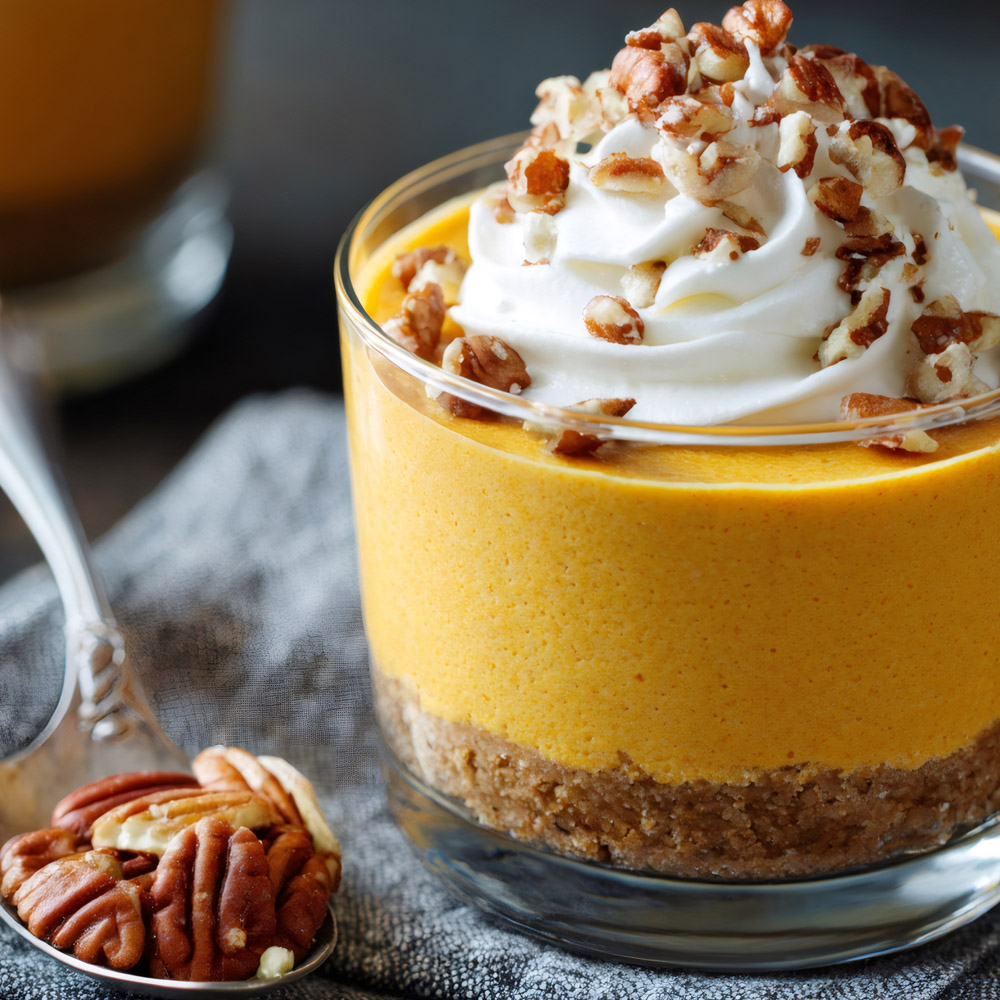
Cardamom–Chili Pumpkin Mousse with Sweet Crumble
- 400 g roasted pumpkin flesh
- 100 ml cream
- 100 ml cream (for the whipped topping)
- 1 tbsp honey/li>
- 1 tbsp brown sugar
- ¼ tsp ground cardamom/li>
- a pinch of chili flakes
- 1 tsp vanilla extract
- 2 tbsp mascarpone/li>
- 50 g butter
- 60 g flour
- 40 g sugar
- 30 g ground almonds
Instructions:
Blend the warm roasted pumpkin with honey, brown sugar, cream, cardamom, chili, and vanilla until smooth. Fold in the mascarpone, then lighten the mixture with a little whipped cream. Refrigerate briefly so the mousse becomes silky and easy to portion.
For the crumble, mix the butter, flour, sugar, and almonds until crumbly, then bake at 180 °C until golden.
To serve, pipe or spoon the pumpkin mousse into bowls, top with the crumble and a pinch of chili flakes. Its aroma is warmly spiced, while the taste is balanced — sweet, creamy, with a gentle hint of heat at the end.

From Delirest Chef Botond Décsi:
There’s something comforting about the smell of roasted pumpkin filling the kitchen, isn’t there? This dessert captures exactly that feeling: homely yet festive. The warm spices, airy mousse, and crunchy crumble come together as the perfect finale to a beautiful dinner. One spoonful holds it all — the warmth of the kitchen, the lights of winter, and the calm of the holidays. Enjoy!
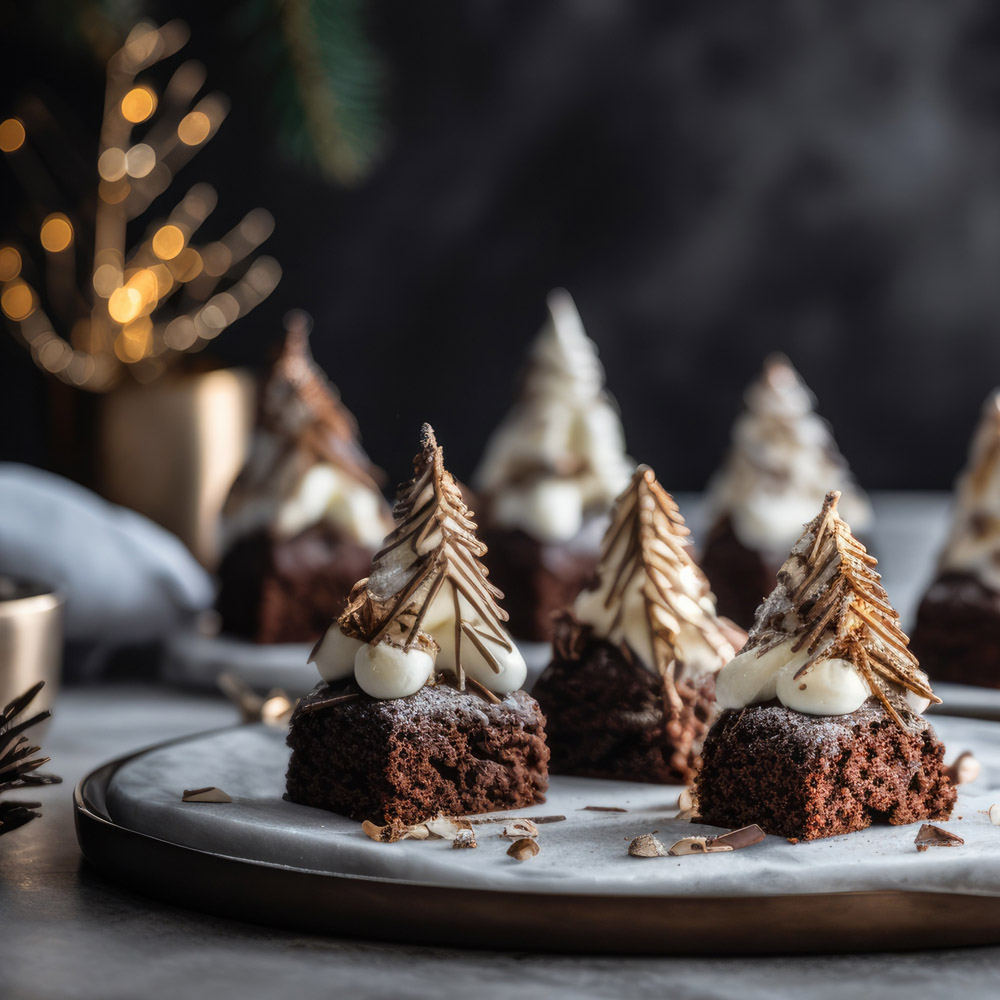
All About Sugar
We don’t have to give it up
The Christmas and New Year period is all about traditions — including the festive desserts prepared from family recipes passed down through generations. Even those who usually try to avoid sugar in their everyday diet are often tempted by a slice of something delicious at this time of year.
Let’s look at how we can stay mindful without giving up these treats!
Interesting Facts from the History of Sugar
Although sugar and its dietary effects are widely discussed today, we know much less about sugar’s ancient history as a food.
- The cultivation of sugarcane and the spread of its processing techniques date back to 8000 BCE – 600 CE in Southeast Asia, China and India.
- Around 600 CE, refining techniques reached the Mediterranean region through Persian intermediaries. Between 800 and 900 CE, large-scale sugarcane cultivation began in Southern Europe, especially in Sicily and Spain. Around the year 1500, the Portuguese introduced sugarcane cultivation to South America.
- Medical texts from the Greek and Roman civilizations mention crystallised sugar as a remedy for digestive and stomach issues..
- Sugar is one of the most ancient documented commodities, and for a long time it was so valuable that it was stored in locked sugar chests.
- Surprisingly, until the end of the 17th century, pharmacies also served as confectioneries. Apothecaries supplied sugar and sugar-based treats to noble households. In Hungary, sugar first appeared among medicinal products, which is why confectionery traditions developed in pharmacies.
- In the early 17th century, cane sugar (then called “cane honey”) was an expensive colonial good in Hungary — half a kilo cost the equivalent of two to three days’ wages.
- Until beet sugar became widespread, Hungarians mostly used honey for sweetening, and dried fruits were the most common way to preserve fruit. Preserving fruit in honey, sugar syrup or alcohol was limited to wealthy households.
Simple or Complex?
Sugar consumption has been one of the “hottest topics” in nutrition over the past twenty years, and debates flare up regularly — whether about sugar itself or its substitutes.
First, it is important to clarify: carbohydrates include complex and simple (or free) sugars. In everyday language, “sugar” typically refers to the latter (such as table sugar, cane sugar, fructose). Complex carbohydrates, on the other hand, can have beneficial effects — for example, inulin, a type of fibre that supports healthy digestion. Complex carbohydrates, on the other hand, can have beneficial effects — for example, inulin, a type of fibre that supports healthy digestion.
How Much Is Enough?
Nutrition science tells us that sugar is not “the enemy” — our bodies do need carbohydrates. For example, the brain uses 100–150 grams of glucose a day. It is not about eliminating carbohydrates or sugar completely — rather, keeping the quantity under control. Especially because we consume free sugars not only through desserts, but also through many other foods and drinks: sauces, soft drinks, alcoholic beverages (hello, family gatherings), etc.
It’s good to know that the recommended maximum daily intake of free sugar for adults is no more than 10% of daily calorie intake, which equals roughly 50 grams or 12 sugar cubes. However, according to the WHO, consuming half of that amount would be even more beneficial for maintaining health and optimal body weight. However, according to the WHO, consuming half of that amount would be even more beneficial for maintaining health and optimal body weight.
So we do not need to deprive ourselves of desserts during the Christmas holidays —
the key is moderation.
Try preparing smaller portions of festive sweets, cutting cakes into smaller slices, serving layered desserts in smaller glasses, and balancing sweets with plenty of vegetables and nourishing dishes throughout the day.
Featured recipe
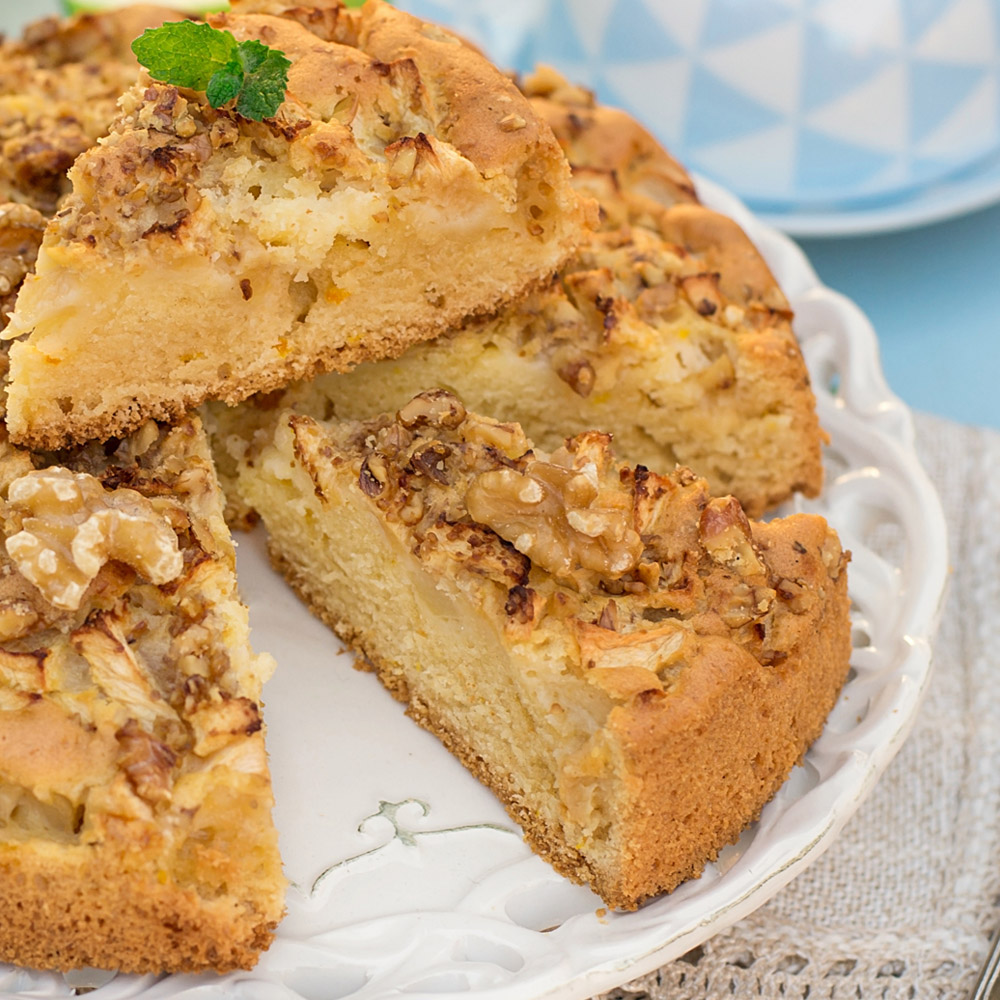
Light cinnamon and pear cake with almond flour
- 2 large pears, peeled and diced
- 120 g almond flour
- 80 g wheat flour
- 80 g melted butter
- 2 eggs
- 50 g brown sugar
- 1 tsp cinnamon
- ½ tsp baking powder
- Pinch of salt
- Zest of 1 lemon
- A handful of chopped walnuts or almonds (optional)
Preparation:
Mix the flours with the cinnamon, baking powder and salt. In another bowl, lightly whisk the eggs with the brown sugar (no need to beat until fluffy — just incorporate a little air). Add the melted butter and lemon zest. Combine the wet and dry ingredients, then gently fold in the pear cubes, taking care not to break them.
Spread the batter into a baking tin lined with parchment paper. Sprinkle chopped nuts on top if desired. Bake at 180°C for about 30 minutes, until the cake is golden brown — the centre should be set but still soft, and the edges nicely browned.
Chef’s note – Botond Décsi
By the end of baking, the pears become buttery soft, and the almond flour adds rich, deep flavour — making this cake wonderfully light yet moist. It’s the kind of dessert that instantly adds a festive touch to your day, even if you’re only enjoying a small treat with a warm drink.